Phytotherapy – Herbal Medicine

The basics about Phytotherapy/Herbal medicine

Phytotherapy or Herbal Medicine studies plants and their medicinal value for humans.

Nutrition and lifestyle measures are at the core of herbal practice. So is ethics.

“I will apply dietetic and lifestyle measures to help the sick to my best ability and judgment; I will protect them from harm and injustice.”

From the Hippocratic Oath

Planet earth would not sustain life if it wasn’t for plants. Life depends on them.

Plants have been the main actors in health preservation and treatment since the beginnings of time. Most therapeutic treatments across the globe and throughout time have been based on plants (Western Herbalism, Ayurveda, Homeopathy, Yunani medicine, African medicine, Native American medicine, etc).  

It focuses on prevention and when disease appears it aims at restoring homeostasis, the body’s balance state.

Medical Herbalism combines traditional knowledge and use of plant-based medicines with scientific research, modern diagnostic tests and clinical trials.

Herbal medicine deals with plants as natural, God-given living organisms, whose chemical composition, biological signatures and synergistic combinations constitute a powerful tool against disease. Even though plants can be chemically analysed and the identity and quantity of active constituents stands at the core of medical herbalism as a science, it is not only their identifiable chemical composition that matters; their energy signature, or perhaps their unidentifiable chemical composition is also of crucial importance as shown in evolutionary biology, homeopathy, aromatherapy, Dr Bach’s remedies and of course, herbal medicine. Nature is difficult to challenge: even a complete reconstruction of the chemical composition of an apple could not be compared with a real apple, and a fresh, organic apple cannot be compared with an out-of-date apple or one sprayed with chemicals. The first can save you, the second can kill you.

VL11

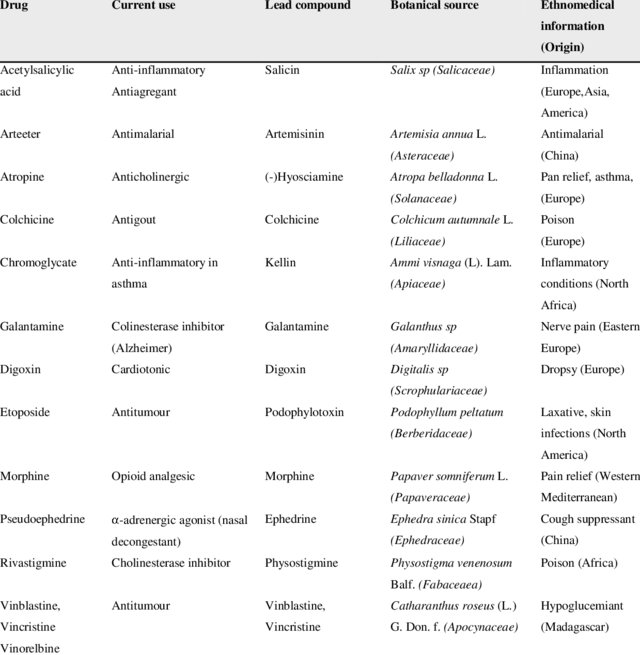
Plant constituents have also been crucial for the development of modern drugs and even though synthesized drugs were given most attention in the 20th century, scientists are increasing their voices for the intensification of research on natural sources. Natural product structures still play a most significant role in the development of drugs for most diseases, with their anti-infective and anti-cancer properties making them indispensible in the fight against disease. NC They are considered to be a promising strategy in many novel new treatments for difficult conditions such as malaria, cancer and cardiovascular diseases. DS97, RN, KSB. Hopefully, scientific research will continue, ethnobotany and ethnopharmacology will preserve and promote much of the traditional knowledge in folk herbalism and people will recognise the value of natural remedies in restoring natural balance. For this reason, the whole society needs to be alert regarding the restoration and preservation of natural ecosystems. Medicinal plants need to be protected and cultivated in natural conditions providing us with the necessary sources for our equilibrium and welfare.


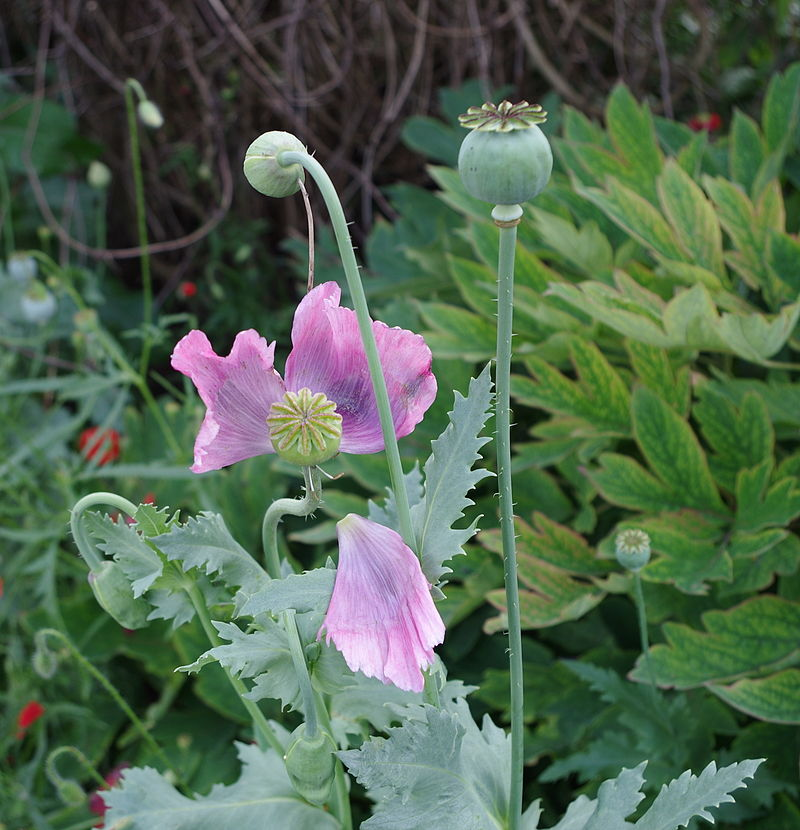
The first commercially produced drug morphine, derives from Papaver somniferum L. https://commons.wikimedia.org/w/index.php?curid=27085845

Humans & plants

Plants are Humanity’s flesh and blood.

Humans and plants share fundamental biochemical and similarities. Since the most ancient times and till about 60-70 years ago, humanity has relied almost exclusively on plants as much for breathing, housing, traveling, tools, clothing and food, as for disease treatment. In fact, humans and plants both derive from the same ancestry line of organic compounds; however, plants are multi-cellular and autotrophic organisms that have hundreds of millions of years more experience in life evolution compared to humans (first plants on earth: ci. 400.000 million years BCE; first homo species – homo habilis: ci. 2.8 million BCE). Plants’ techniques of survival are the apogee of evolutionary knowledge, and it is this knowledge we use to succeed in surviving and restoring health. As such they have been attributed a sacred character in all cultures throughout time, a declaration of their importance for humanity. Plants and their healing power are the main actors in life; humans remain their humble descendants and eternal students.

Plants are earth’s chemists and alchemists, orchestrating the biochemical dance from which all life emerges, and on which all life depends.
Nicole Francis

Indeed, human beings depend totally on plants for our lives, above all to breathe and receive the elements we need so as to perform the necessary chemical reactions that make us living beings.

Roots & evolution of Herbal Medicine

Sketch of The Sorcerer by Breuil

The word phytotherapy comes from the Greek words a) ‘phyto’ (= plant; the verb ‘phyo or in passive phyomai’ means ‘to appear, exist or be’ just like ‘phyta’ or plants, which are life’s expression) and b) ‘therapeia’ which is ‘therapy’. The roots of herbal medicine are, naturally, lost in the distant past and its evolution in effect coincides with the evolution of Medicine up until the beginnings of modern medicine, esp. from the 19th century onwards. The Indian Vedic literature of Ayurveda (meaning ‘knowledge of life’) mentions over 700 plant substances and TCM is based on the over 2000 years old Huangdi Neijing (the Yellow Emperor’s Inner Canon), which lists more than 8000 formulae, most of them based on plants. Egypt and the Middle East have also a very long tradition in herbalism, whereas the Greeks developed medicine and herbalism as a unified science transferred through Roman and Medieval times across Europe. Indigenous people throughout the world (Africa, America, Asia and Australia), depend their survival on their herbal traditions, whereas the Amazon as well as the Asian jungle, hold the secrets of thousands of still unknown plants. Traditional medicine includes many on-going traditions and is used by the majority of the world population still today. All medical traditions incorporate or are based on the healing power of plants.

In modern times in the west, the 19th century was quite crucial for the development of herbal medicine in the west. In USA, the physician Constantine Samuel Rafineque, who lived among Native Americans and studied their medicinal plants, devised the term ‘Eclectic’ to refer to those physicians who practiced anything found to be beneficial to the patient, as opposed to those who only sought substances to treat the disease present. The founder of American Eclecticism as a distinct medical approach was Whooster Beach. The Eclectics used theories and concepts from regular medical schools, but practiced a philosophy of alignment with nature and used fewer drugs.

The growing success of Eclectic medical schools, however, brought strong reactions by the supporters of regular medicine, and in 1847 the American Medical Association was founded and worked towards the elimination of natural remedies in favor of the new drugs. Eventually, they managed to close down 29 medical schools from 1910 to 1914 and in 1939 the Eclectic Medical Institute had to close down (resources are kept in Lloyd Library and Museum, Cincinnati). ECL The 19th century also saw the establishment of the UK’s oldest and largest regulatory institution of herbal practitioners (National Institute of Medical Herbalists), with members across the globe, who continue to promote herbalism combining the same diagnostic skills as regular doctors with a holistic approach. Western Medical Herbalism today is a science-based practice that functions upon two axes: On the one hand, it is informed by a really big body of knowledge and experience accumulated over the millennia on the therapeutic use and safety of plants. On the other hand, it is informed by scientific research and clinical trials. Regulations on the practice of herbal medicine vary greatly from country to country.

How Phytotherapy works

Biology and medical science have provided in-depth understanding of the fact that our different body systems do not operate in isolation, but in an incredibly complex web of interrelationships. For example, our nervous system is complemented by the endocrine system and closely linked to the immune and the digestive. Health means that all body systems work harmoniously in order to adjust and change to external pressures while internal processes remain constant, a process called homeostasis. Seemingly, a healthy organism has an infinite capacity to adjust and change. Herbs, in turn, demonstrate an amazing complexity, upon which knowledge of Western herbal medicine evolved. Ni  They exhibit a synergistic activity of multiple compounds affecting simultaneously multiple body systems, and helping the body to regain and preserve homeostasis. Herbs work well in combination, for example respiratory infections are treated most effectively when herbs with antiseptic, antibiotic, demulcent, soothing and spasmolytic action are combined. As herbs combine multiple therapeutic actions and can simultaneously affect more than one system in our body, their benefits can be wider and more permanent.

Plants provide us both with energy and healing elements. Primary metabolites (e.g. carbohydrates, fats, proteins & vitamins) are responsible for primary biological processes. Secondary metabolites (e.g. alkaloids, glycosides, flavonoids, terpenes, saponins, etc), are responsible for the adaptability and defense mechanisms of the plant as well as communication and reproduction. As such, they trigger important processes in our organism for the preservation of health at all levels, and therefore safeguard our health and well-being. The new rapidly evolving area of medical research, epigenetics, is unraveling the significance of environmental factors in gene expression. Plants exhibit a vast array of medicinal properties linked to environmental adaptability, including antimicrobial, antiviral, antiseptic, antioxidant, antifungal, antiparasitic, immunomodulatory and healing, in both in vitro and in vivo studies.

At the core of herbal practice are appropriate nutrition and the administration of plant extracts in various forms. It also incorporates life-style guidelines, such as clean air and sun, exercise, walks in the nature or baths and detoxification. An herbal treatment is usually followed for weeks or months (like conventional treatments) and they operate at a less violent, but deeper level. Disease does not appear from one day to another, and cannot vanish in a day either. Although we target the symptom, to restore the organism’s immunity and natural balance at a more permanent level, we need to go beyond; we need to spend the time and energy to understand and treat the cause.

A major strength of herbalism is its focus on PREVENTION. Disease is not an unavoidable fact, nor should it be considered as the norm because in modern life we are drowning in it. We should realize that we are active agents in our life and health and take appropriate steps to guarantee their quality.

Nutrition

Nutrition is the pillar of health.

When diet is wrong medicine is of no use.

When diet is correct medicine is of no need.

 Ayurvedic proverb

The word nutrition does not describe the temporary satisfaction of the feeling of hunger; it comes from the Latin verb ‘nutrire’, which means to suckle, feed, nourish. ‘Nutrire’ comes from the Proto-Indo-European root snā-, meaning “to swim,” with extended form *(s)nāu- “to swim, flow; to let flow,” hence “to suckle. The primary act of suckling is characteristic of the process of nourishment. Nutrition, hence, refers to ‘the process by which organisms absorb their proper food into their systems and build it into living tissue’. ET It describes vividly the flow of nutrients through our blood stream, and their assimilation by our organism for its proper function.  

As life and the best function of an organism depend on the appropriate biochemical reactions, it is not so difficult to appreciate the significance of what substances – molecules, we allow to enter our body; it is them that will determine whether an organism’s biological function will be optimal guaranteeing health, or problematic, opening the road to disease. Unfortunately, for reasons we cannot discuss at this point, our modern civilization has developed on the completely perverted view that profit is more valuable than life; as we are being totally alienated from the essence and the act of nourishment, we are finding ourselves submerged in disease.

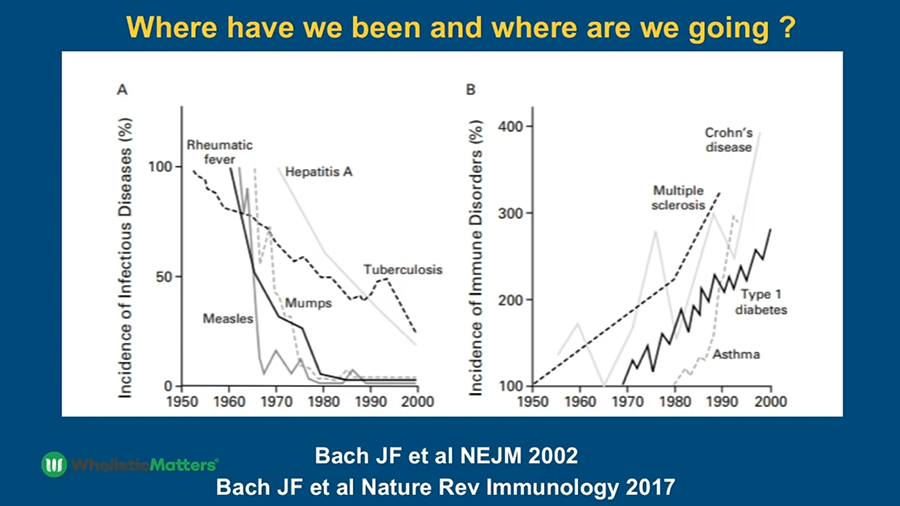
People spend less and less time and care on their nutrition loosing basic knowledge and understanding of its effects on their bodies and lives. Now food production is not in the hands of individuals and communities, but in the hands of big companies, which are not charities or co-operatives and whose goal is of course to make the biggest possible profit, not to provide people with the best possible nutrition. Thus, as science proves, a vast amount of foodstuffs circulating is inappropriate for eating. Either victims of marketing and lifestyle choices or due to poverty and lack of information and choice, people poison their bodies instead of nourishing them. As a result, reinforced by other toxic factors (e.g. water and air pollution, stress and radiation) there is an outbreak of modern chronic diseases such as cardiovascular disease, cancer, diabetes, IBS, neurological disorders etc.

From R.Martindale’s talk: https://www.youtube.com/watch?v=41IfdwLqtkA

Advances in molecular genetics, in particular from 2012 onwards, have raised awareness on the significance of nutrition for health and disease. The voices of doctors and medical scientists on the significance of nutrition are increasing as there is an ever-growing accumulation of data that nutrition controls the gut’s health, whose state controls inflammation, which is the root cause behind most chronic diseases. There is about 40 trillion microorganisms living in and on the human body and most of them consist of our gastrointestinal bacterial load spreading along a surface area of about 300 – 400 m² (our GI tract). About 4 times more than our cells, they are responsible for the assimilation of nutrients and transfer of information from the outside world triggering processes that define our cells’ functions.  Science makes two things clear:

  • Firstly, nutrition controls whether our gut bacteria is of the good kind or the bad kind.   
  • Secondly, the highest our bacterial biodiversity, the stronger our immune system. Bacterial biodiversity depends on what we eat, whether we kill all our good bacteria with an excess of antibiotics and whether we expose ourselves to nature’s other organisms, being part of the living community or we live in a ‘sanitised’ environment.

The important discoveries about the role our microbiota plays in our health can be seen in the Human Microbiome Project. iHMP

As we have said, people have their own individual needs depending on many factors. Generalizations can be helpful, but they can also be misleading and inappropriate for individual cases. However, based on the accumulated research, there are some basic facts that apply to everyone:

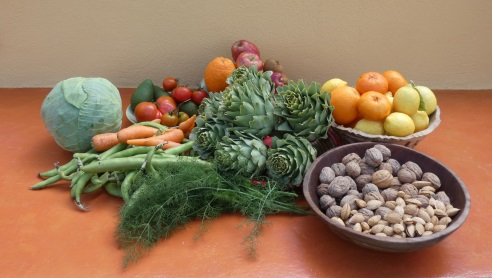
Base your diet on fresh, organic and preferably heirloom varieties of vegetables, nuts, seeds (e.g. beans, lentils etc) and fruit.


GMO’s, processed foods and Trans fats are strongly linked to fatal diseases.

Sugar, alcohol, soft drinks and industrially produced foods and drinks should be avoided.

Food needs to be as natural as possible; it makes a huge difference whether it is organic or full of pesticides, and whether it is based on heirloom varieties or hybrids. Prefer seasonal and locally produced food.

Plant based foods, especially fresh vegetables, should be the core of our nutrition.

Herbalism & Holism: Benefits

The last years, more and more health practitioners and patients turn to plant-based therapies as they demonstrate important benefits:

  • The use of plants and plant extracts is a powerful means to preserve and restore healthwithout many of the side effects that allopathic treatment is responsible for.
  • Herbalism is based on a holistic and interdisciplinary conceptual framework that is patient-focused.
  • Holistic therapy can bring relief to many chronic illnesses and autoimmune diseases.
  • Herbs can be efficient in many cases where infectious organisms have developed resistance to single-substance, synthesized drugs.
  • Scientific evidence supports traditional use of medicinal plants. They are a safe and efficient form of medicine also for the elderly RF
  • It complements well with allopathic and alternative treatments, providing safe and gentle remedies.
  • They are a cheap and ecological way to pursue health.

Plants and herbal extracts have many, and often concurrent, therapeutic properties. They are full of nutrients and active constituents that help us keep homeostasis; acting at cell level they:

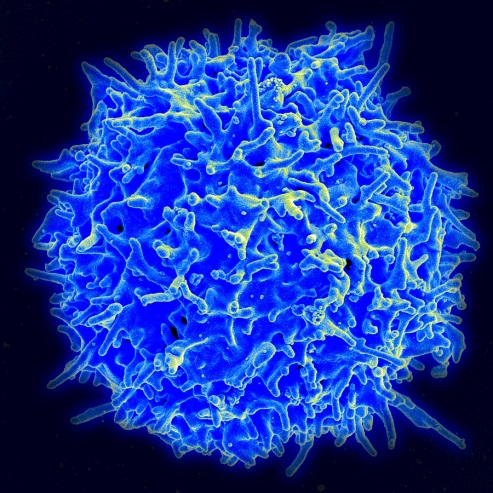
Healthy-looking human T cell. NIAID/NIH

  • reinforce our immunity and help us fight infection
  • restore and support our nervous and circulatory system
  • promote detoxification and digestion
  • balance our endocrine system
  • protect our respiratory system.
  • support our reproductive and musculoskeletal system
  • heal and treat our skin
Single-substance drugs, plant compounds & whole plants

‘The active ingredient model does not stem from a strength of the scientific method, rather,

it stems from a weakness – from the inability of the reductionist method to deal with

complex systems’ (Sharma, 1997).

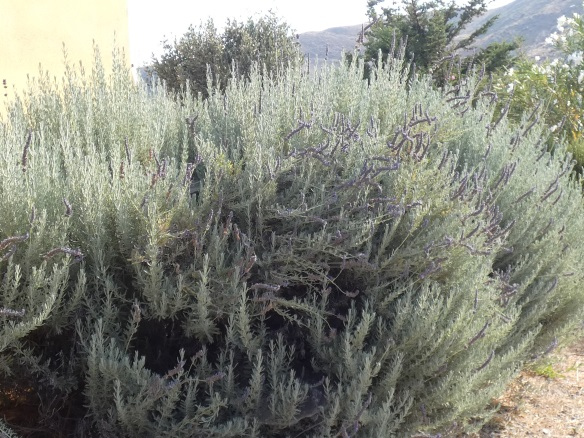
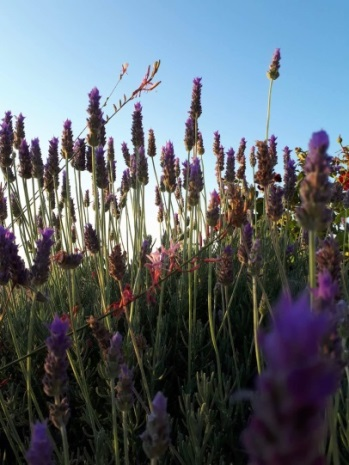
Drug development has focused on isolating plant constituents and producing chemical substances, whose action could be observed and documented in the lab. The action of single substances on our physiology is surely important to understand, but the monocracy of a reductionist framework is far too limiting. Within this framework, a specific activity should be attributed to a single substance and unfortunately, if this cannot be demonstrated then the observed activity is not recognized (as is often the case with plants, whose activity is the result of the complex synergy of multiple compounds). For example, even though lavender essential oil is well-documented to relax the nervous system and help with insomnia, the fact that modern science has not been able to isolate a single substance to which lavender’s effect could be attributed, has led to not being able to accept its effectiveness at all!

Even though medicinal properties of plants depend on the chemical constituents they contain, in herbalism therapeutic action involves primarily the use of whole plants. Research of isolated chemical substances of plants is important to understand much of their medicinal value; it has given credit to herbal remedies and rise to important modern drugs. However for herbalists, a whole healthy plant is a lot more powerful than the sum of its chemical compounds, reflecting the power of nature and synergy.

Plants are living beings with a very long evolutionary experience and they demonstrate an unparalleled complexity, which is impossible to imitate.  Isolating plant constituents is common tactic in the production of medicines nowadays. It has been stated, however, that crude plant extracts are often more effective as in the case of malaria drugs Ras11. What is certainly needed is intensification of research on the healing potential of plants together with environmental protection.

How plants are used in herbalism

In herbalism we may use the whole plant or plant parts, namely the roots, leaves, flowers, bark, seeds, stems and fruit, but also resins, sprouts and bulbs, which are used and processed depending on the plant, the plant part and the condition we want to treat. Plants should be organic and oil extracts organic and virgin, avoiding chemical solvents. We may use them in the following ways, dosages and deviations depending on individual cases:

Food & drink

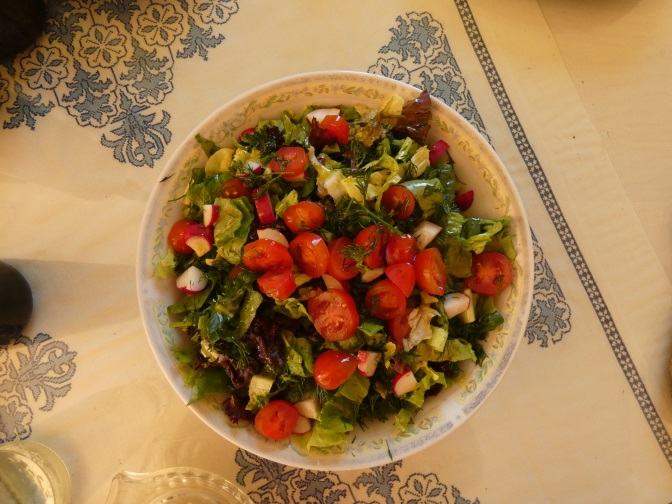
Food and juices or drinks made of plants are what keep us alive. We may eat whole plants or their parts either raw or properly cooked. As said, nutrition plays the most important role in herbal practice and it is adjusted to the individual’s needs. In general, the majority of our nutrition should consist of unprocessed plants and if possible a big proportion of those should be consumed fresh and raw. Human bodies are complex physiological systems and as foods are chemically complex they can be our medicines.

Infusions

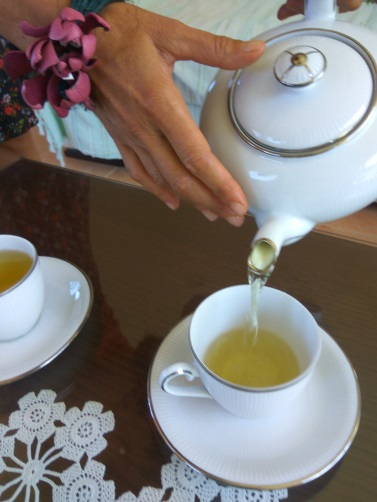
The result of infusing herbs into water, also called herbal tea. An average infusion time would be 5-10’ with water of ci. 80°C.

Decoctions

The result of boiling herbal parts into water; it may also be called herbal tea. An average boiling time would be ci. 20’.

Oil Exctracts

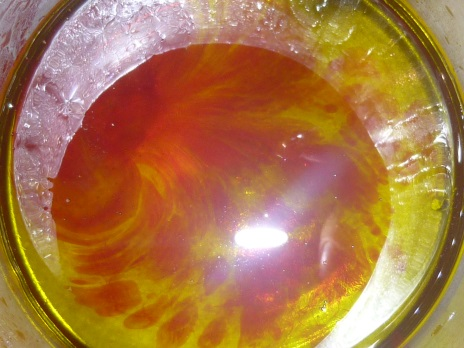
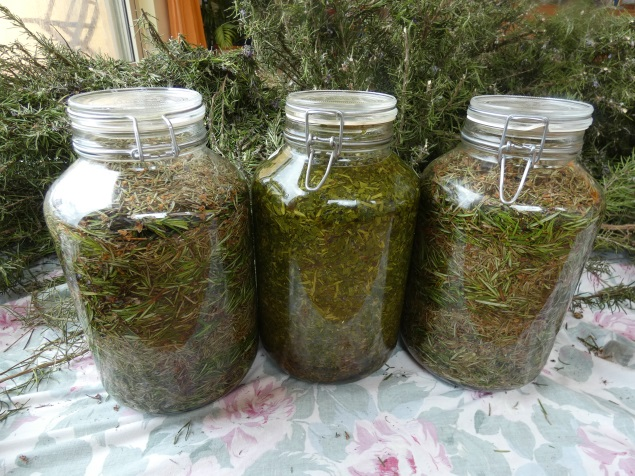
The oils that result from either pressing part of the plant (e.g. the fruit of avocado or olive tree), or infusing herbs into a good virgin base oil in order to extract their lipophilic compounds.

Tinctures

The extracts that result from infusing herbs into an alcoholic dilution in order to extract compounds dissolved in alcohol. Depending on the chemical constituents we want for specific physiological actions the alcoholic strength of the dilution varies. Tinctures may be made from fresh or dry herb material. They are potent extracts used in herbal formulations or drunk in a bit of water at very small quantities (measured in ml) depending on each case.

Powders

Powders result from grinding dry herbs and they are usually used either in capsules or herbal formulations.

Salves

Oily substances consisting of herb extracts and wax. Absorbed less easy than creams, they tend to seal the skin.

Creams

Fatty substances including water. Easily absorbed, but they have a limited self-life without preservatives due to their high water percentage.

Syrups

Syrups are made from mixing infusions, decoctions or tinctures with sugar or honey.

Pills-Capsules-Pastilles

Powdered herb material processed in different ways.

Suppositories

They are designed to insert the desired herbal substances into body cavities.

Emulsions

Mixtures of oily and water substances.

Essential Oils

Powerful extracts of the plant that result from distillation. Essential oils are, in fact, the quintessence of the plant and can be used in a variety of ways, and always with caution (see Aromatherapy section).

Bach Flower Remedies

Herb and usually flower dilutions in water. Certain heat for some time is necessary to extract the desired properties, and further processing results to the tinctures called Bach flower remedies. They’re a magnificent recent inheritance of the German physician Dr Bach (1935), encapsulating a tiny, but powerful proportion of plant substances. They mainly address psychological states.

Hydrosolos or Flower waters


They are the resulting water after the steam distillation when producing essential oils. They also contain small amounts of essential oil that could not be extracted during the distillation process, as well as non-volatile compounds that were extracted by the steam.

Lotions

Water-based herbal preparations used to bathe irritated or inflamed skin. They involve hot or cold infusions or mixtures or water with tinctures.

Compresses

Cloths soaked in lotions, compresses are useful for the treatment of bruising and swelling, soothing inflammatory conditions, pain and fevers.

Poultices

Fresh, dry or powdered herbs applied to an affected area.

Baths/Washes

Made of water containing infusions and/or essential oils, they relieve many conditions of body parts or the whole body.

Gargles & Mouthwashes

Made of infusions, decoctions or diluted tinctures of usually astringent herbs.

Points of caution
General comment

Nowadays plants are becoming more and more popular as agents of health restoration and preservation; they can be potent medicines, but they also hide their dangers. Their use requires caution and expertise; we all know that what we eat, drink, touch, breathe and absorb plays a crucial role on our health and well-being; therefore it is important to use what is good for us and not ‘whatever’. Even though we should not be discouraged from using herbs to boost our well-being, we should also be aware of possible dangers arising from their wrong use.

The increasing popularity of plants and their medicinal value is certainly a good thing, but combined with a profit-focused marketing and the modern characteristic of preferring quantity over quality, often results to a severe compromise in the quality of ‘natural’ products and services (as in all products and services). Unfortunately, there are both professionals with qualifications from diploma mills and natural products or ‘medicines’ of questionable value.

Individual needs & Herb-drug interaction

Even though a plant or herb may be suitable for the treatment of a specific condition, each individual case must be treated separately. Age differences, lifestyle, possible sensitivity to substances, medication taken and the individual’s health situation must be taken into account. Herbal medicines may substitute, support or inhibit conventional drugs. For example, St John ’s Wort may interact with prescribed medicines, in particular antidepressants and anticoagulants and should not be taken without consultation. Or, common sage, which may increase the hepatotoxicity caused by carbon tetrachloride (CCl4). WF, S 

Many herbs may share the same or similar chemical constituents with which we may want to treat a specific condition. However, they cannot necessarily be used interchangeably for everyone, as each plant has multiple physiological effects on the body, so depending on the individual situation and need, one plant will be more appropriate than another.

Herbs help us guide the healing of our bodies, minds and souls, but they follow the following rule:

The right form, in the right place, in the right dose, with the right intent.

Correct identification and use

Important issues to consider are:

Correct identification of plant species. We should obtain plants from reliable sources, or if we collect them ourselves we need to be able to distinguish between different species (e.g. equisetum arvense is a medicinal plant, whereas other equisetum species are toxic).

Knowledge of which part of the plant to use, for which purpose, and how to prepare the appropriate herbal formulation. Pharmacological components are not the same throughout the plant and depend on the extraction method.

Knowledge of whether a plant needs to be used fresh or dry. Some plants are to be used fresh, others dry. Extracts can be made from fresh and/or dry plant material, depending on the plant, the extract, and the condition they address.

Quality of plant material. Old or poorly stored herbs do not keep their medicinal value and, of course, they need to be adulteration and toxic-free.

Toxicity-Dosage

Plants are in general safe to use, however, there are plants that can be dangerous poisons and others that may be unsafe for in our personal case. Even common potato contains toxic compounds (glycoalcaloids), whose levels increase with age, physical damage and light exposure, and we all know of poisoning cases from mushroom species. Toxicity depends mainly on plant species, part of the plant, heat exposure, whether fresh or dry, or growing conditions, but even poisonous plants can be used medicinally.

Dosage is of crucial importance so as to avoid adverse results. In general, people tend to think that an herbal medicine is totally innocent and that a higher dose may double its effectiveness, but this is false, naïve and dangerous belief, just as in the case of single substance, conventional drugs. Still, it is very rare that a fatal health problem arises from the overconsumption of plants, since large quantities would be needed for an overdose of active constituents. Thankfully, toxic plants are known and avoided in folk medicine. There’s a greater risk from an overdose of synthesised drugs made of plants, in which single active constituents have been artificially increased.

Getting hold of plants

Try to buy plants from reliable providers. The more information you have about the plant, including latin name, the better it is. Aroma and colour are good indicators when you get some experience, and conditions of storage crucial. Prefer local producers as much as you can, and when possible grow them yourself. Learning about plants is very rewarding and if you want to collect from the wild, make sure you recognize the plants safely and only from places where there’s abundance and you won’t interrupt the ecosystem’s balance. Never collect rare plants.

Plant efficacy & value
Growing conditions

If we want to obtain the best medicinal properties from a plant we easily understand that its health and purity is of the utmost importance. They should be free of chemicals and grown in the best possible natural conditions. Environmental factors such as sunlight, moisture, soil, but also predators, play a most important role in the development of secondary metabolites, which have a direct effect on our immunity, adaptability and defense. A healthy ecosystem means healthy plants for our food and medicine.

Processing & storage

The way we process and store plants, is also very important for the preservation of their medicinal properties. Mass production by default compromises quality, as is the case with everything. It would be preferable to grow, collect and process herbs we need ourselves, or seek and promote (or even become!) small-scale farmers. Whichever the case, a specific know-how of growing, processing and storage is required and plays an important role. For example, plants and herbs respond differently to different growing conditions and they should be stored in dry, cool and shady places. They are particularly photosensitive; therefore avoid herbs which are exposed to light.

Quality – Effectiveness: the highlights

It’s basic common sense that effectiveness is based on quality, of plants as well as of their processing. The most important factors that affecting quality and effectiveness of herbs and herbal remedies are:

  • Genetic factors: identification/authentication.
  • Geographic factors:growing and climatic conditions.
  • The part of the plant used.
  • Season and time of harvesting.
  • Absence of toxic agents, pests and contaminating factors.
  • Storage conditions.
  • Processing.
  • The right form of extract and formulation.
  • The correct combination.
Necessary plants for our balcony or garden

There are certain plants that are widely used for culinary purposes and they also have an important medicinal value. Some typical examples are rosemary, sage, oregano, basil, chilli, garlic, thyme, parsley, mint, but it is advisable to learn about herbs that are particularly helpful for your own individual needs and include them as well, e.g. chamomile, lemon balm or lavender. Growing plants in a garden is an opportunity one should not miss, but even a few pots in the balcony can make all the difference in your everyday life. If, however, you live in a polluted urban environment, it is advisable to avoid consumption from your balcony plants; Find or buy healthy, organic ones.

item-yoga