The basics about Phytotherapy/Herbal medicine

Phytotherapy or Herbal Medicine studies plants and their medicinal value for humans.

Nutrition and lifestyle measures are at the core of herbal practice. So is ethics.

“I will apply dietetic and lifestyle measures to help the sick to my best ability and judgment; I will protect them from harm and injustice.”

From the Hippocratic Oath

Planet earth would not sustain life if it wasn’t for plants. Life depends on them.

Plants have been the main actors in health preservation and treatment since the beginnings of time. Most therapeutic treatments across the globe and throughout time have been based on plants (Western Herbalism, Ayurveda, Homeopathy, Yunani medicine, African medicine, Native American medicine, etc).

It focuses on prevention and when disease appears it aims at restoring homeostasis, the body’s balance state.

Medical Herbalism combines traditional knowledge and use of plant-based medicines with scientific research, modern diagnostic tests and clinical trials.
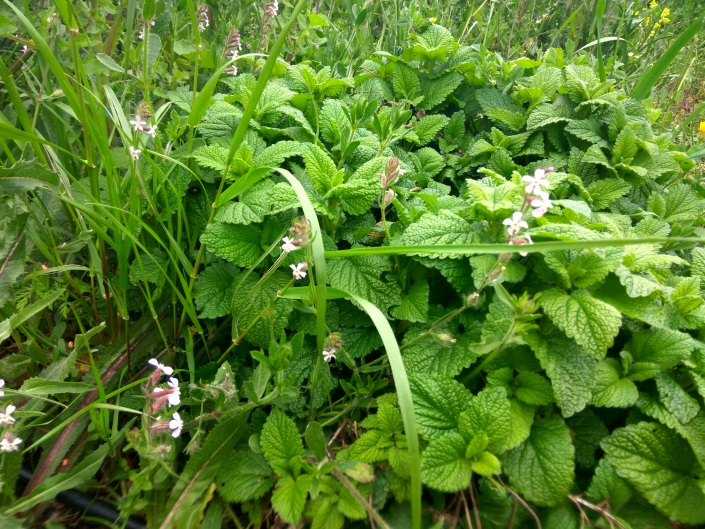
Herbal medicine deals with plants as natural, God-given living organisms, whose chemical composition, biological signatures and synergistic combinations constitute a powerful tool against disease. Even though plants can be chemically analysed and the identity and quantity of active constituents stands at the core of medical herbalism as a science, it is not only their identifiable chemical composition that matters; their energy signature, or perhaps

their unidentifiable chemical composition is also of crucial importance as shown in evolutionary biology, homeopathy, aromatherapy, Dr Bach’s remedies and of course, herbal medicine. Nature is difficult to challenge: even a complete reconstruction of the chemical composition of an apple could not be compared with a real apple, and a fresh, organic apple cannot be compared with an out-of-date apple or one sprayed with chemicals. The first can save you, the second can kill you.

VL11

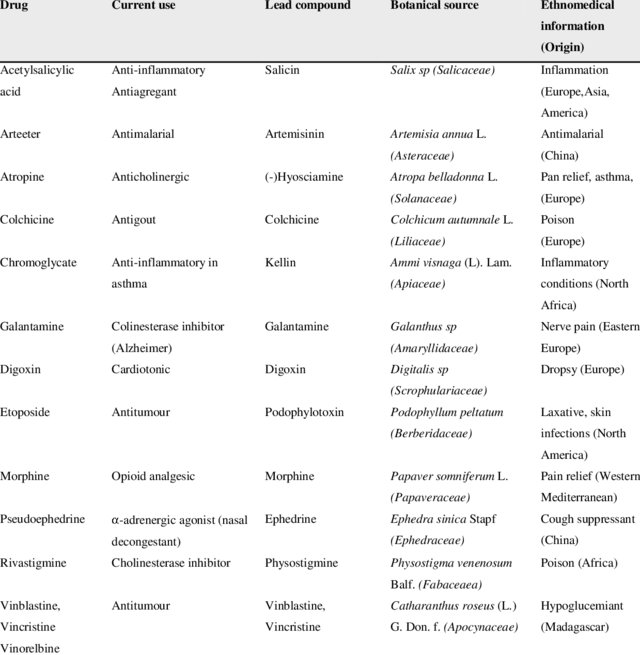
Plant constituents have also been crucial for the development of modern drugs and even though synthesized drugs were given most attention in the 20th century, scientists are increasing their voices for the intensification of research on natural sources. Natural product structures still play a most significant role in the development of drugs for most diseases, with their anti-infective and anti-cancer properties making them indispensible in the fight against disease. NC They are considered to be a promising strategy in many novel new treatments for difficult conditions such as malaria, cancer and cardiovascular diseases. DS97, RN, KSB. Hopefully, scientific research will continue, ethnobotany and ethnopharmacology will preserve and promote much of the traditional knowledge in folk herbalism and people will recognise the value of natural remedies in restoring natural balance. For this reason, the whole society needs to be alert regarding the restoration and preservation of natural ecosystems. Medicinal plants need to be protected and cultivated in natural conditions providing us with the necessary sources for our equilibrium and welfare.


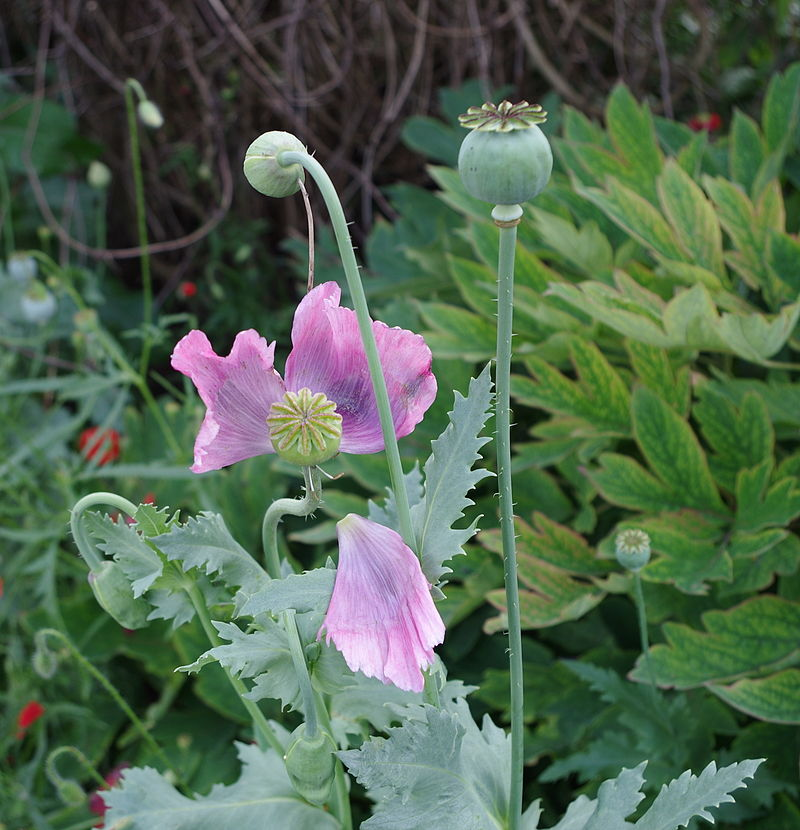
The first commercially produced drug morphine, derives from Papaver somniferum L. https://commons.wikimedia.org/w/index.php?curid=27085845

Humans & plants

Plants are Humanity’s flesh and blood.

Humans and plants share fundamental biochemical and similarities. Since the most ancient times and till about 60-70 years ago, humanity has relied almost exclusively on plants as much for breathing, housing, traveling, tools, clothing and food, as for disease treatment. In fact, humans and plants both derive from the same ancestry line of organic compounds; however, plants are multi-cellular and autotrophic organisms that have hundreds of millions of years more experience in life evolution compared to humans (first plants on earth: ci. 400.000 million years BCE; first homo species – homo habilis: ci. 2.8 million BCE). Plants’ techniques of survival are the apogee of evolutionary knowledge, and it is this knowledge we use to succeed in surviving and restoring health. As such they have been attributed a sacred character in all cultures throughout time, a declaration of their importance for humanity. Plants and their healing power are the main actors in life; humans remain their humble descendants and eternal students.

Plants are earth’s chemists and alchemists, orchestrating the biochemical dance from which all life emerges, and on which all life depends.
Nicole Francis

Indeed, human beings depend totally on plants for our lives, above all to breathe and receive the elements we need so as to perform the necessary chemical reactions that make us living beings.

Roots & evolution of Herbal Medicine

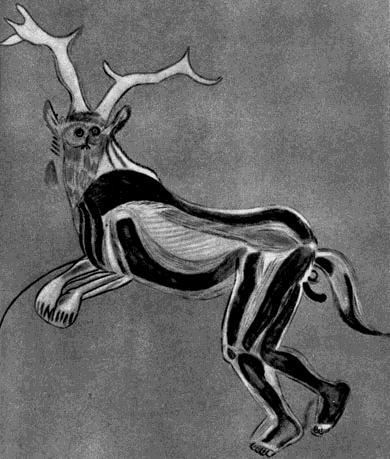
Sketch of The Sorcerer by Breuil

The word phytotherapy comes from the Greek words a) ‘phyto’ (= plant; the verb ‘phyo or in passive phyomai’ means ‘to appear, exist or be’ just like ‘phyta’ or plants, which are life’s expression) and b) ‘therapeia’ which is ‘therapy’. The roots of herbal medicine are, naturally, lost in the distant past and its evolution in effect coincides with the evolution of Medicine up until the beginnings of modern medicine, esp. from the 19th century onwards. The Indian Vedic literature of Ayurveda (meaning ‘knowledge of life’) mentions over 700 plant substances and TCM is based on the over 2000 years old Huangdi Neijing (the Yellow Emperor’s Inner Canon), which lists more than 8000 formulae, most of them based on plants. Egypt and the Middle East have also a very long tradition in herbalism, whereas the Greeks developed medicine and herbalism as a unified science transferred through Roman and Medieval times across Europe. Indigenous people throughout the world (Africa, America, Asia and Australia), depend their survival on their herbal traditions, whereas the Amazon as well as the Asian jungle, hold the secrets of thousands of still unknown plants. Traditional medicine includes many on-going traditions and is used by the majority of the world population still today. All medical traditions incorporate or are based on the healing power of plants.

In modern times in the west, the 19th century was quite crucial for the development of herbal medicine in the west. In USA, the physician Constantine Samuel Rafineque, who lived among Native Americans and studied their medicinal plants, devised the term ‘Eclectic’ to refer to those physicians who practiced anything found to be beneficial to the patient, as opposed to those who only sought substances to treat the disease present. The founder of American Eclecticism as a distinct medical approach was Whooster Beach. The Eclectics used theories and concepts from regular medical schools, but practiced a philosophy of alignment with nature and used fewer drugs.

The growing success of Eclectic medical schools, however, brought strong reactions by the supporters of regular medicine, and in 1847 the American Medical Association was founded and worked towards the elimination of natural remedies in favor of the new drugs. Eventually, they managed to close down 29 medical schools from 1910 to 1914 and in 1939 the Eclectic Medical Institute had to close down (resources are kept in Lloyd Library and Museum, Cincinnati). ECL The 19th century also saw the establishment of the UK’s oldest and largest regulatory institution of herbal practitioners (National Institute of Medical Herbalists), with members across the globe, who continue to promote herbalism combining the same diagnostic skills as regular doctors with a holistic approach. Western Medical Herbalism today is a science-based practice that functions upon two axes: On the one hand, it is informed by a really big body of knowledge and experience accumulated over the millennia on the therapeutic use and safety of plants. On the other hand, it is informed by scientific research and clinical trials. Regulations on the practice of herbal medicine vary greatly from country to country.

item-yoga