The basics about Phytotherapy/Herbal medicine

Phytotherapy or Herbal Medicine studies plants and their medicinal value for humans.

Nutrition and lifestyle measures are at the core of herbal practice. So is ethics.

“I will apply dietetic and lifestyle measures to help the sick to my best ability and judgment; I will protect them from harm and injustice.”

From the Hippocratic Oath

Planet earth would not sustain life if it wasn’t for plants. Life depends on them.

Plants have been the main actors in health preservation and treatment since the beginnings of time. Most therapeutic treatments across the globe and throughout time have been based on plants (Western Herbalism, Ayurveda, Homeopathy, Yunani medicine, African medicine, Native American medicine, etc).

It focuses on prevention and when disease appears it aims at restoring homeostasis, the body’s balance state.

Medical Herbalism combines traditional knowledge and use of plant-based medicines with scientific research, modern diagnostic tests and clinical trials.
Herbal medicine deals with plants as natural, God-given living organisms, whose chemical composition, biological signatures and synergistic combinations constitute a powerful tool against disease. Even though plants can be chemically analysed and the identity and quantity of active constituents stands at the core of medical herbalism as a science, it is not only their identifiable chemical composition that matters; their energy signature, or perhaps

their unidentifiable chemical composition is also of crucial importance as shown in evolutionary biology, homeopathy, aromatherapy, Dr Bach’s remedies and of course, herbal medicine. Nature is difficult to challenge: even a complete reconstruction of the chemical composition of an apple could not be compared with a real apple, and a fresh, organic apple cannot be compared with an out-of-date apple or one sprayed with chemicals. The first can save you, the second can kill you.

VL11

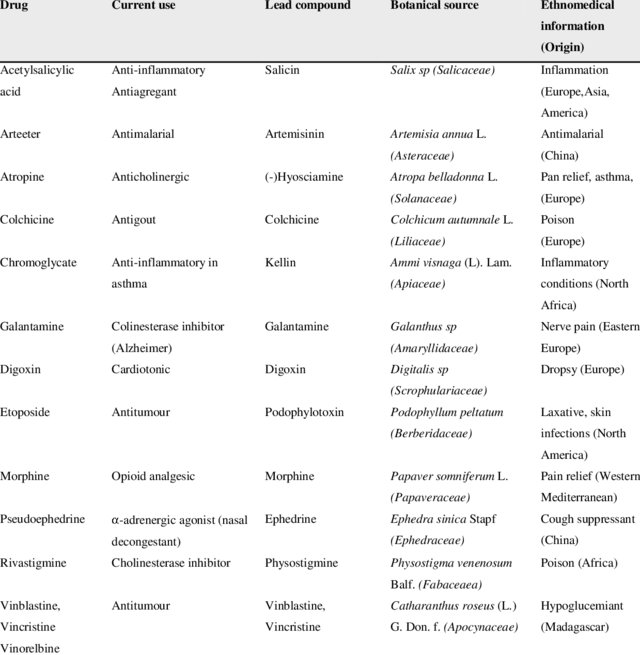
Plant constituents have also been crucial for the development of modern drugs and even though synthesized drugs were given most attention in the 20th century, scientists are increasing their voices for the intensification of research on natural sources. Natural product structures still play a most significant role in the development of drugs for most diseases, with their anti-infective and anti-cancer properties making them indispensible in the fight against disease. NC They are considered to be a promising strategy in many novel new treatments for difficult conditions such as malaria, cancer and cardiovascular diseases. DS97, RN, KSB. Hopefully, scientific research will continue, ethnobotany and ethnopharmacology will preserve and promote much of the traditional knowledge in folk herbalism and people will recognise the value of natural remedies in restoring natural balance. For this reason, the whole society needs to be alert regarding the restoration and preservation of natural ecosystems. Medicinal plants need to be protected and cultivated in natural conditions providing us with the necessary sources for our equilibrium and welfare.


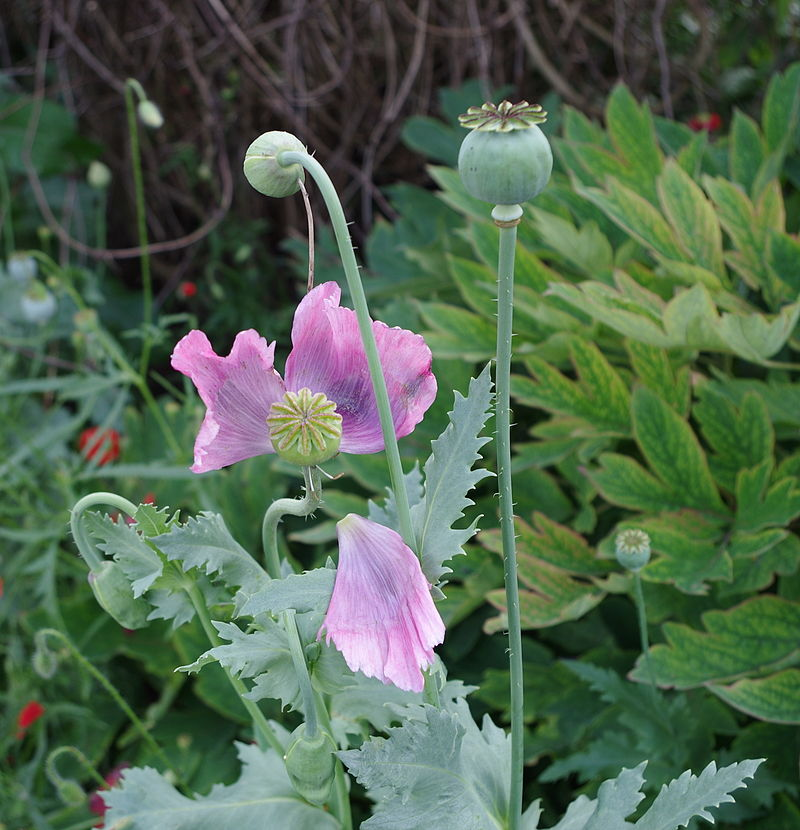
The first commercially produced drug morphine, derives from Papaver somniferum L. https://commons.wikimedia.org/w/index.php?curid=27085845

item-yoga