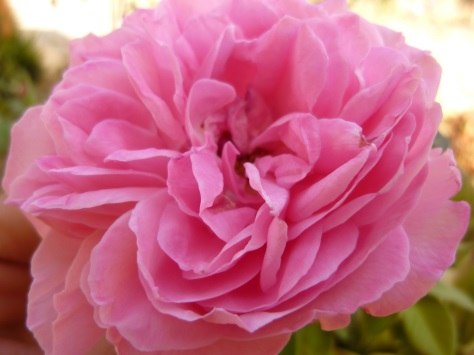
How plants are used in herbal medicine
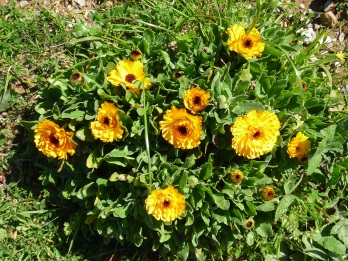
In herbal medicine we may use the whole plant or plant parts, namely the roots, leaves, flowers, bark, seeds, stems and fruit, but also resins, sprouts and bulbs, which are used and processed depending on the plant, the plant part and the condition we want to treat. Plants should be organic and oil extracts organic and virgin, avoiding chemical solvents. We may use them in the following ways, dosages and deviations depending on individual cases:
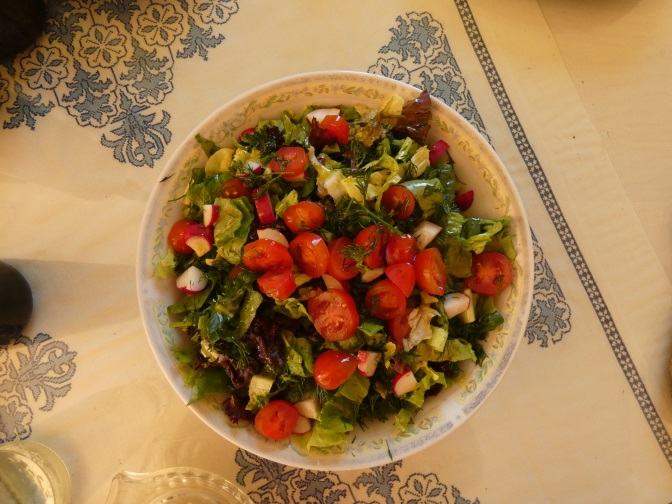
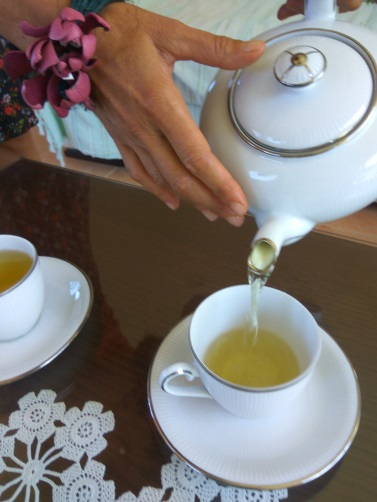
Food & drink

Food and juices or drinks made of plants are what keep us alive. We may eat whole plants or their parts either raw or properly cooked. As said, nutrition plays the most important role in herbal practice and it is adjusted to the individual’s needs. In general, the majority of our nutrition should consist of unprocessed plants and if possible a big proportion of those should be consumed fresh and raw. Human bodies are complex physiological systems and as foods are chemically complex they can be our medicines.

Infusions

The result of infusing herbs into water, also called herbal tea. An average infusion time would be 5-10’ with water of ci. 80°C.

Decoctions

The result of boiling herbal parts into water; it may also be called herbal tea. An average boiling time would be ci. 20’.

Oil Exctracts

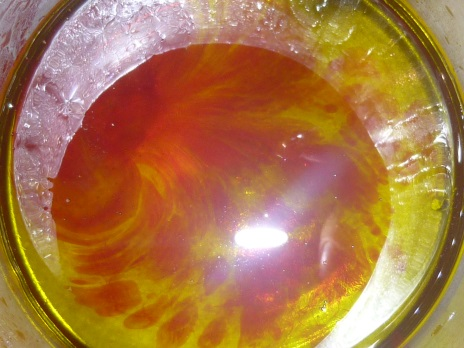
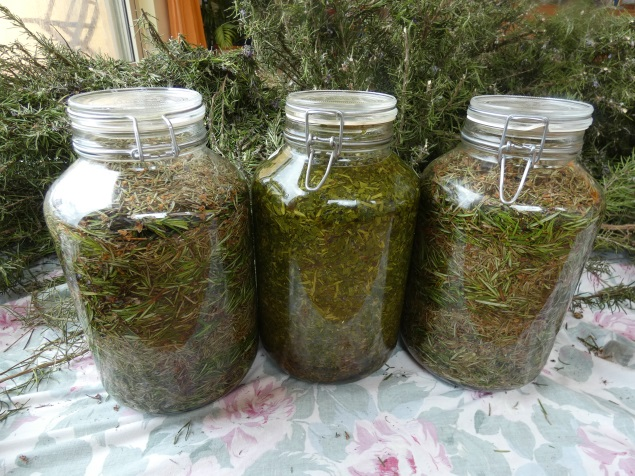
The oils that result from either pressing part of the plant (e.g. the fruit of avocado or olive tree), or infusing herbs into a good virgin base oil in order to extract their lipophilic compounds.

Tinctures

The extracts that result from infusing herbs into an alcoholic dilution in order to extract compounds dissolved in alcohol. Depending on the chemical constituents we want for specific physiological actions the alcoholic strength of the dilution varies. Tinctures may be made from fresh or dry herb material. They are potent extracts used in herbal formulations or drunk in a bit of water at very small quantities (measured in ml) depending on each case.

Powders

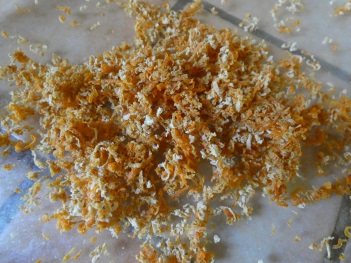
Powders result from grinding dry herbs and they are usually used either in capsules or herbal formulations.

Salves

Oily substances consisting of herb extracts and wax. Absorbed less easy than creams, they tend to seal the skin.

Creams

Fatty substances including water. Easily absorbed, but they have a limited self-life without preservatives due to their high water percentage.

Syrups

Syrups are made from mixing infusions, decoctions or tinctures with sugar or honey.

Pills-Capsules-Pastilles

Powdered herb material processed in different ways.

Suppositories

They are designed to insert the desired herbal substances into body cavities.

Emulsions

Mixtures of oily and water substances.

Essential Oils

Powerful extracts of the plant that result from distillation. Essential oils are, in fact, the quintessence of the plant and can be used in a variety of ways, and always with caution (see Aromatherapy section).

Bach Flower Remedies

Herb and usually flower dilutions in water. Certain heat for some time is necessary to extract the desired properties, and further processing results to the tinctures called Bach flower remedies. They’re a magnificent recent inheritance of the German physician Dr Bach (1935), encapsulating a tiny, but powerful proportion of plant substances. They mainly address psychological states.

Hydrosolos or Flower waters


They are the resulting water after the steam distillation when producing essential oils. They also contain small amounts of essential oil that could not be extracted during the distillation process, as well as non-volatile compounds that were extracted by the steam.

Lotions

Water-based herbal preparations used to bathe irritated or inflamed skin. They involve hot or cold infusions or mixtures or water with tinctures.

Compresses

Cloths soaked in lotions, compresses are useful for the treatment of bruising and swelling, soothing inflammatory conditions, pain and fevers.

Poultices

Fresh, dry or powdered herbs applied to an affected area.

Baths/Washes

Made of water containing infusions and/or essential oils, they relieve many conditions of body parts or the whole body.

Gargles & Mouthwashes

Made of infusions, decoctions or diluted tinctures of usually astringent herbs.

item-yoga